Picosecond Laser Treatment Theory
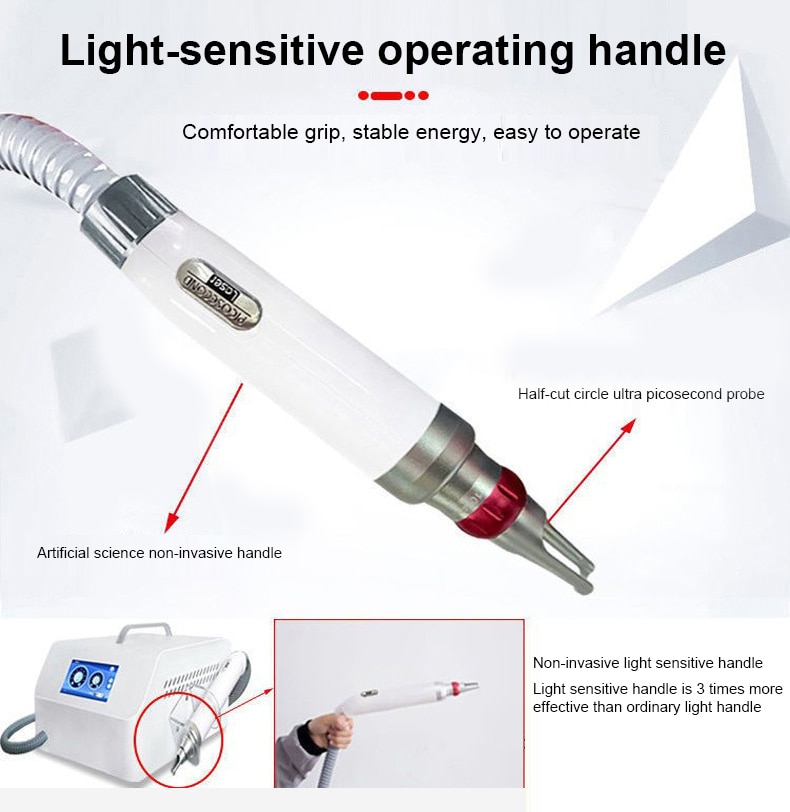
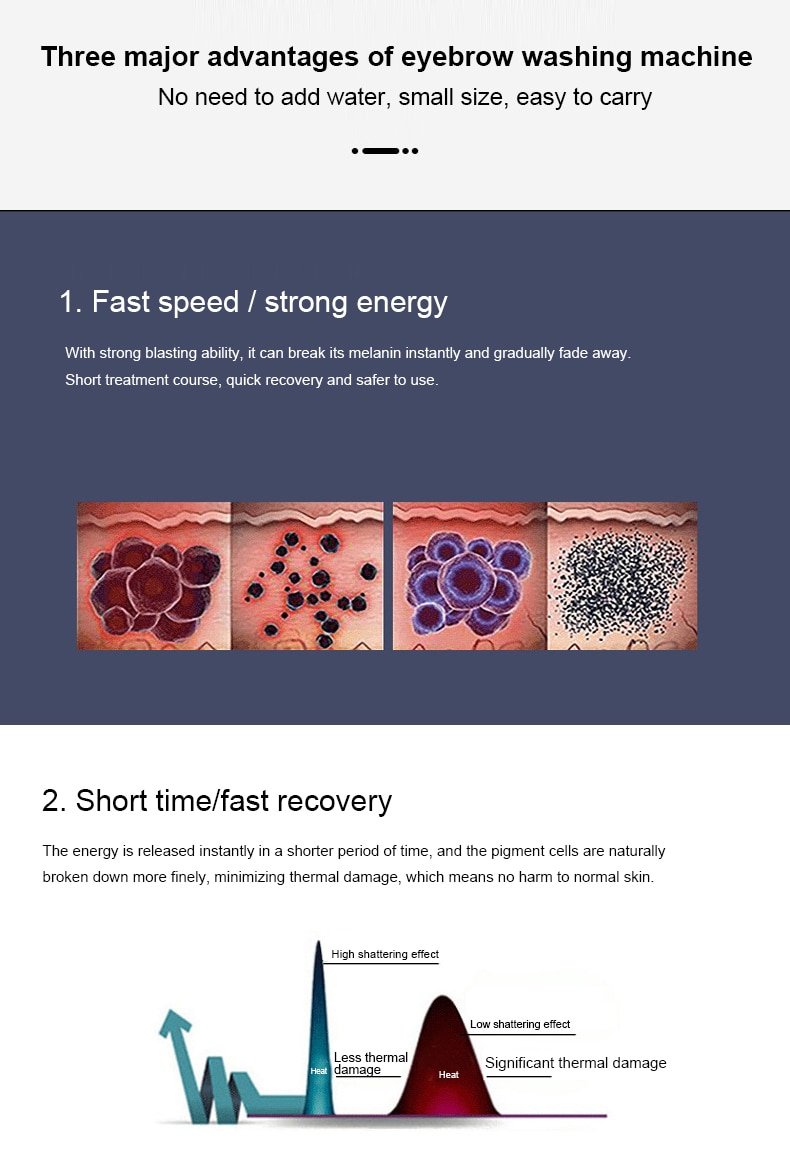
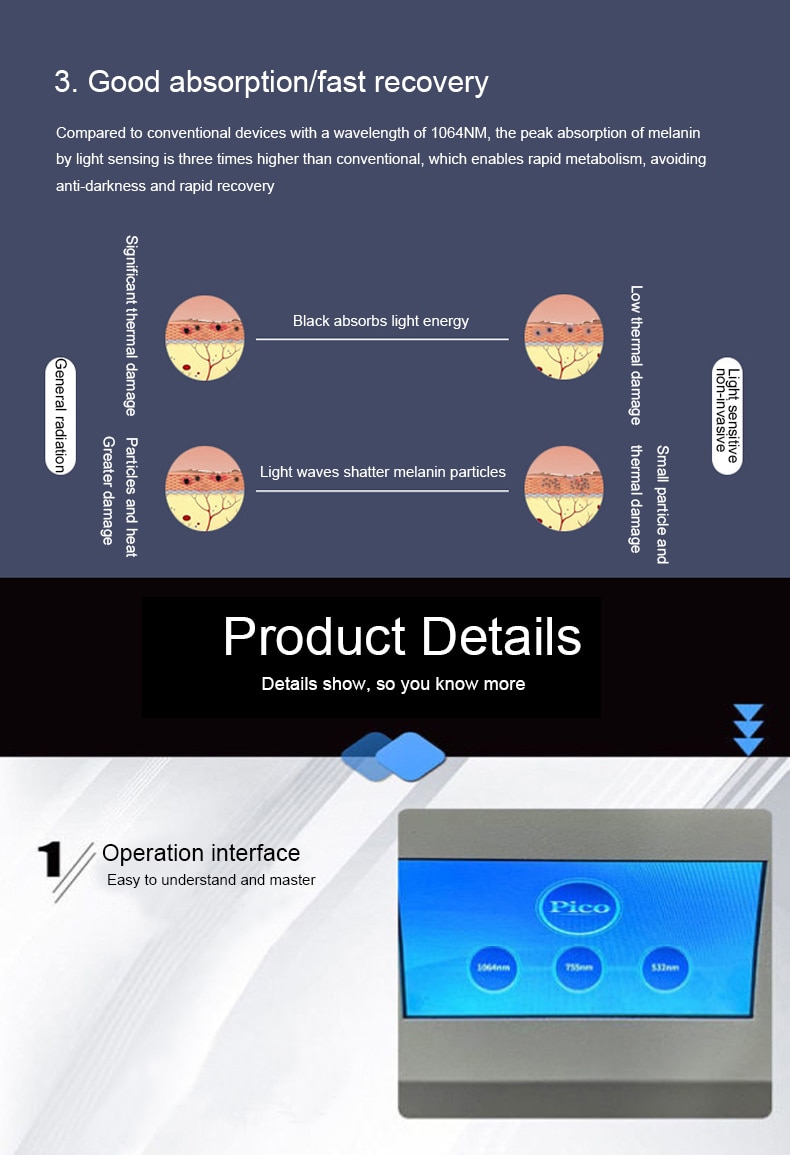
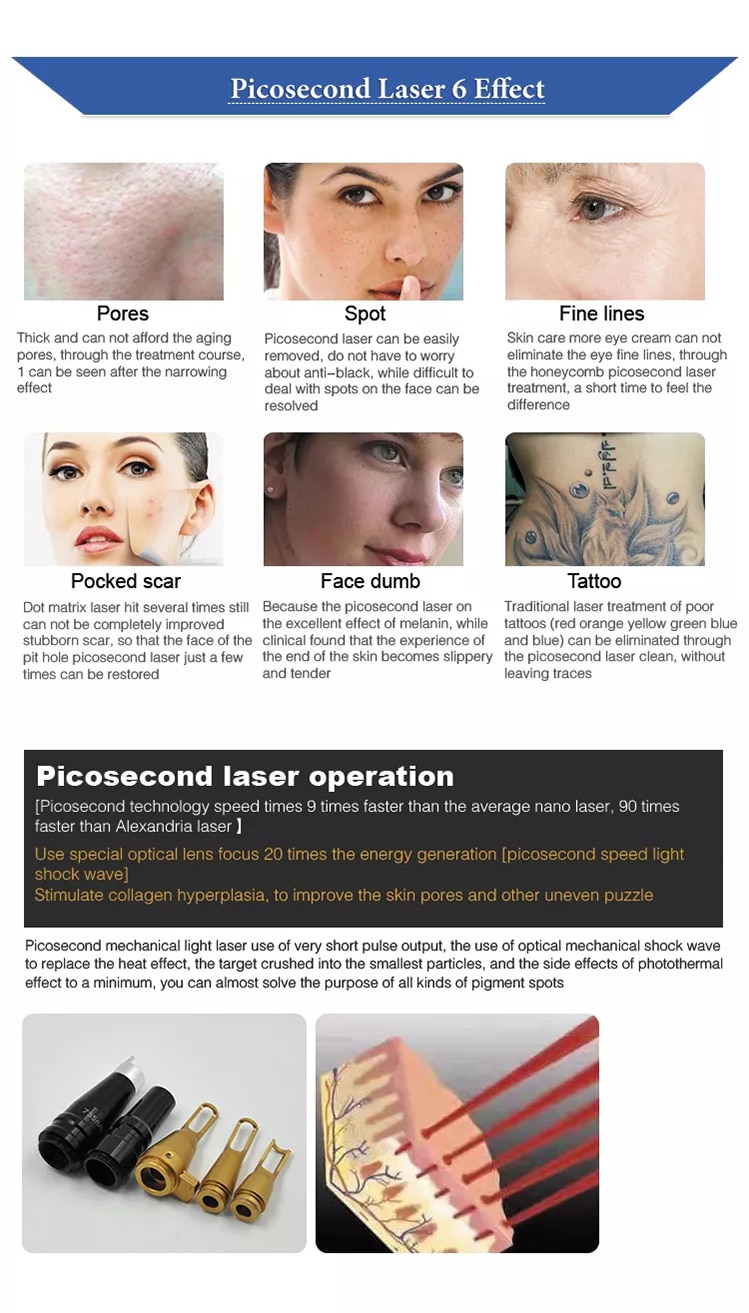
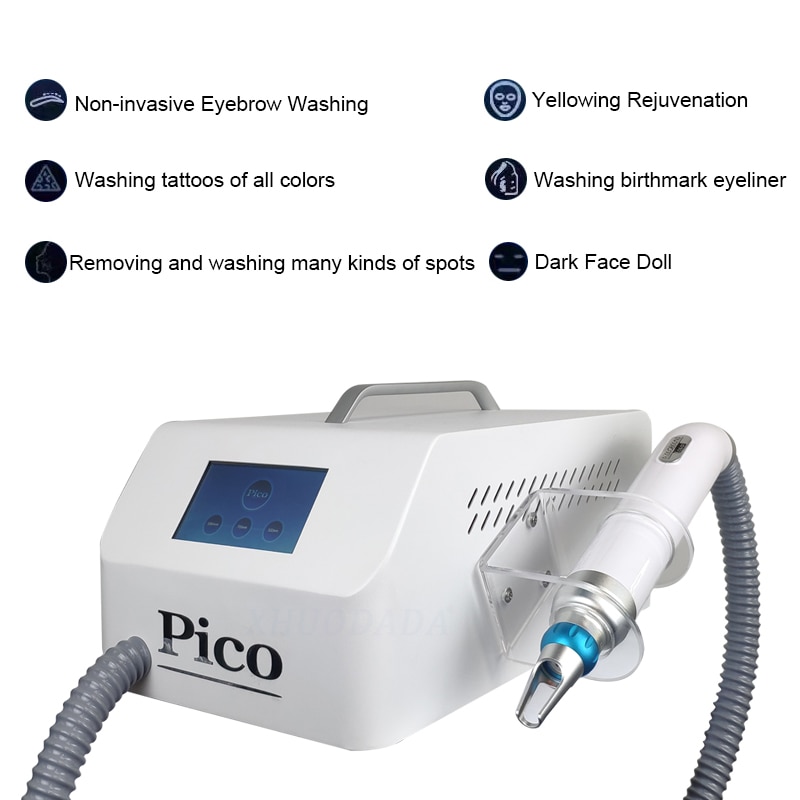
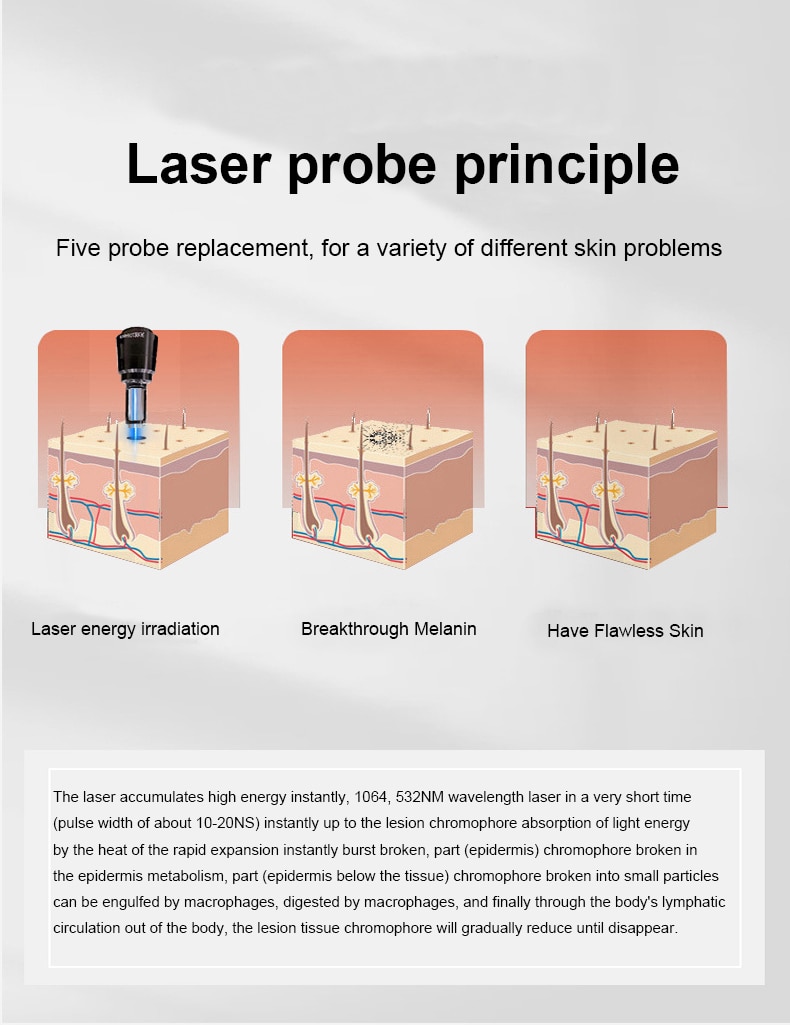
The PicoSecond Laser uses ultra-short pulses (one trillionth of a second in length) to hit the melanin with a great pressure, the melanin shatters into tiny dust-like particles. Because the particles are so small, they are more readily absorbed and eliminated by the body. This can mean better clearance of the melanin and less treatments overall.
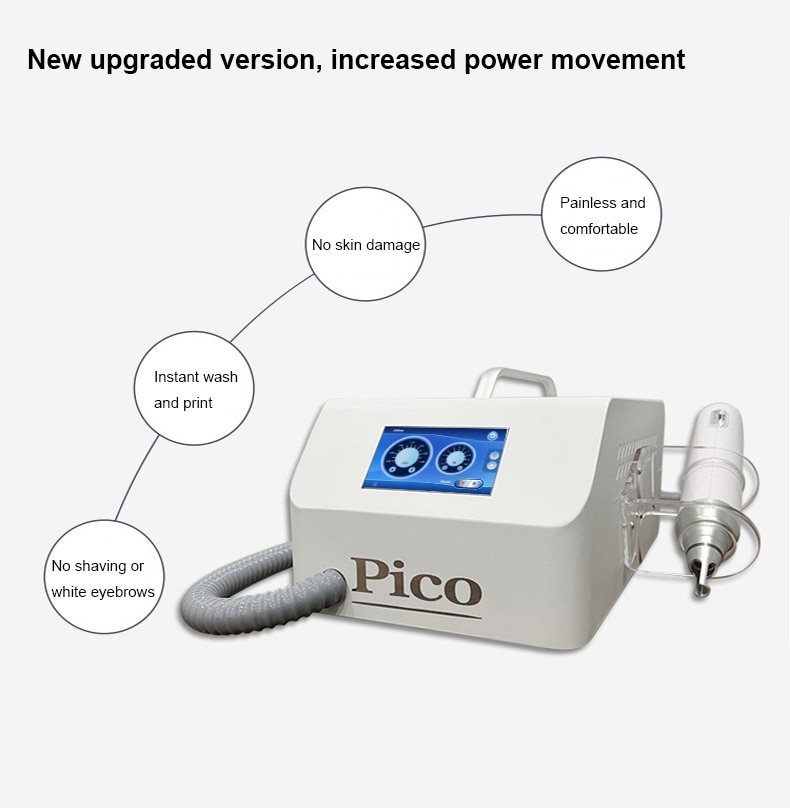
PicoSecond Laser is a quick and easy non-surgical, non-invasive laser skin treatment for the body including chest or decollete, face, hands, legs, and more.
What skin concerns can PicoSecond treat?
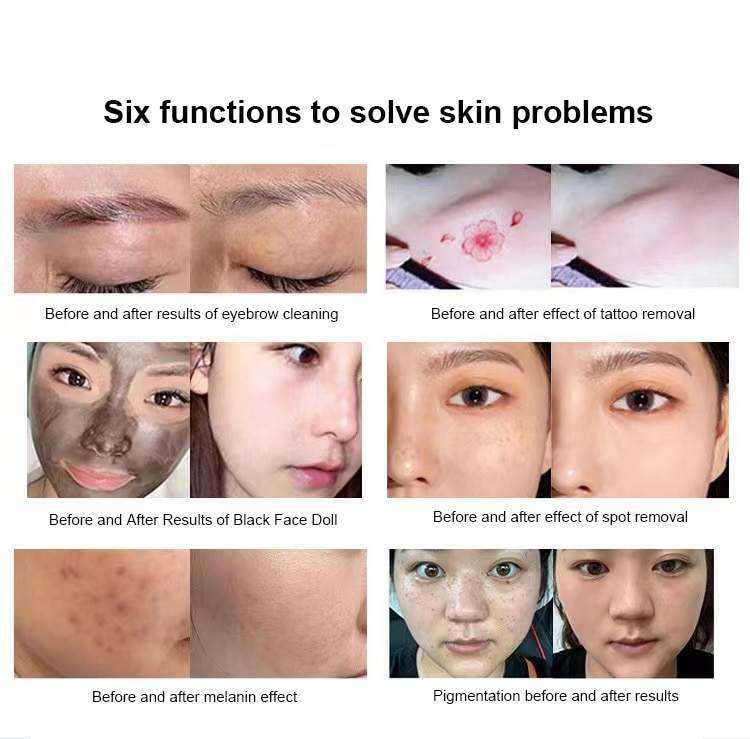
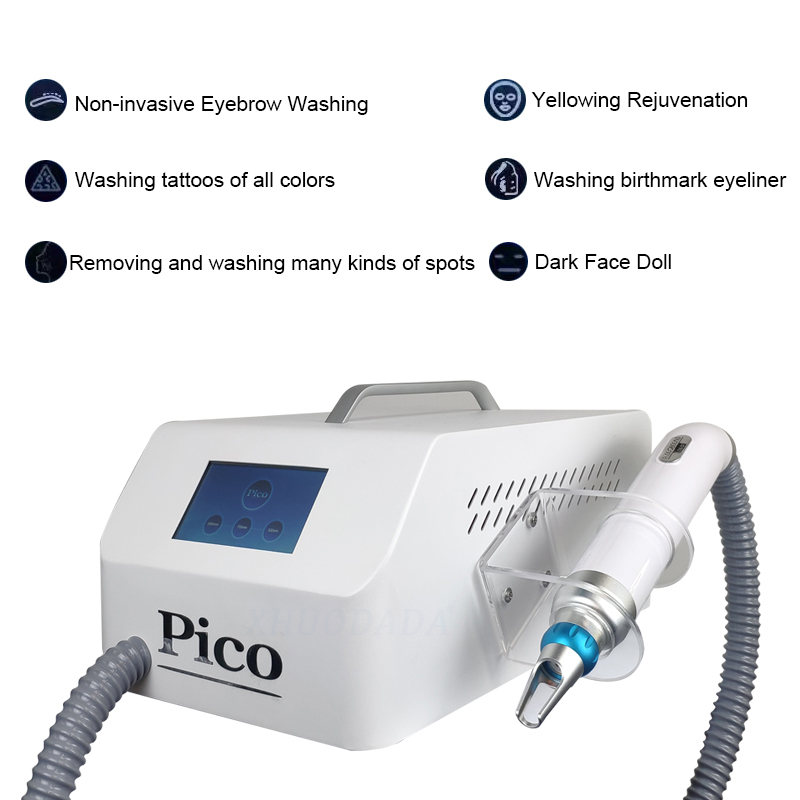
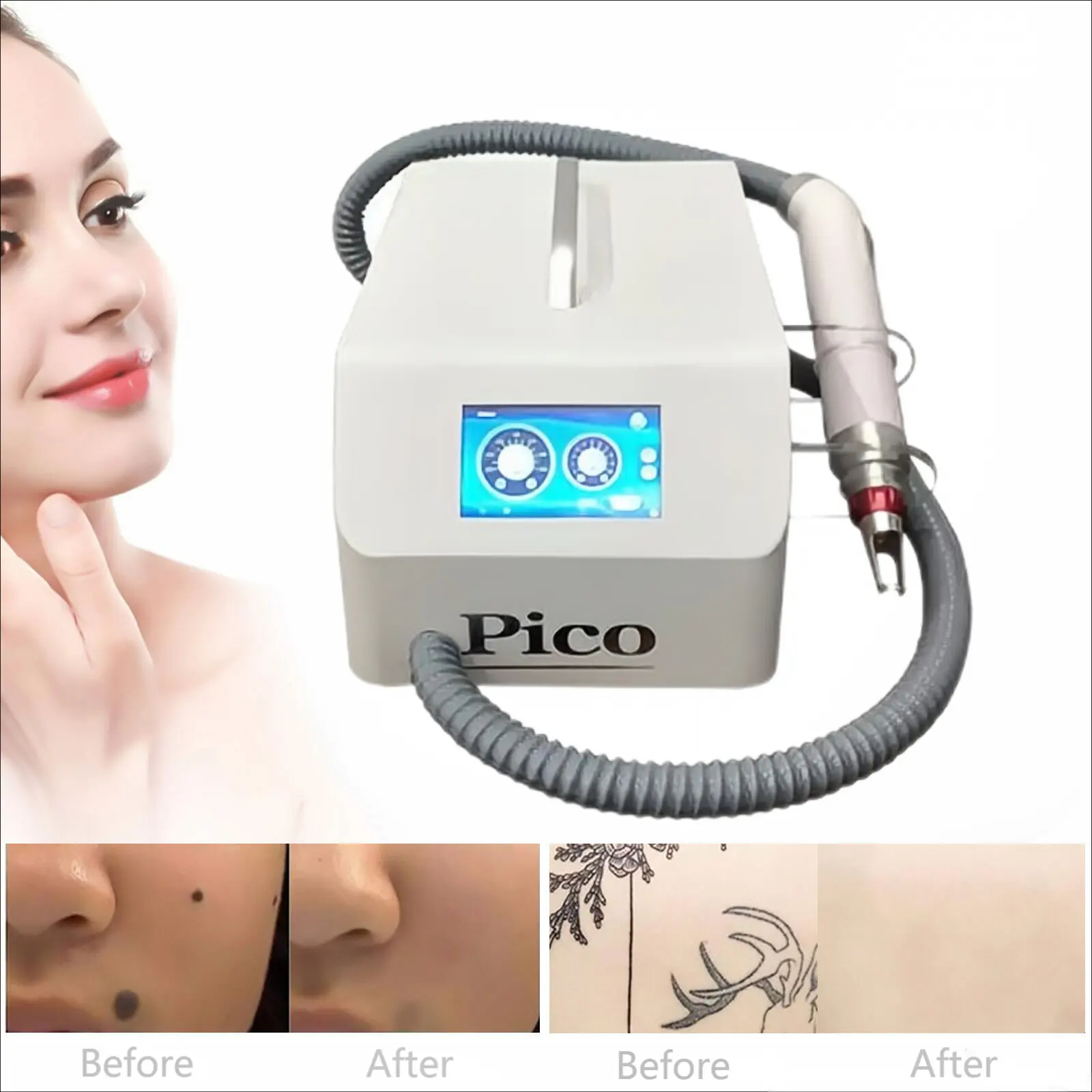
PicoSecond is effective in eliminating unwanted tattoos, and the technology is also effective in evening out irregular skin texture due to acne scars and aging. If you have concerns about irregular pigmentation, such as sun spots or melasma, PicoSecond can also be an effective treatment.
Do PicoSecond treatments hurt?
PicoSecond does cause a sensation similar to a rubber band snapping against the skin, however, most patients tolerate the procedure quite well. If your skin is especially sensitive, you may benefit from the addition of a topical numbing cream to ease the discomfort.
How many Pico laser sessions will I need to see results?
The exact number of sessions you’ll need depends on your cosmetic goals and how your skin responds to the pulsating laser technology. If you’re removing an unwanted tattoo, you generally need between 4 and 10 sessions. The density of the ink, size of the tattoo, and location of the piece influence your treatment plan.
If you’re coming in for skin revitalization, you usually benefit from 2-5 sessions total.
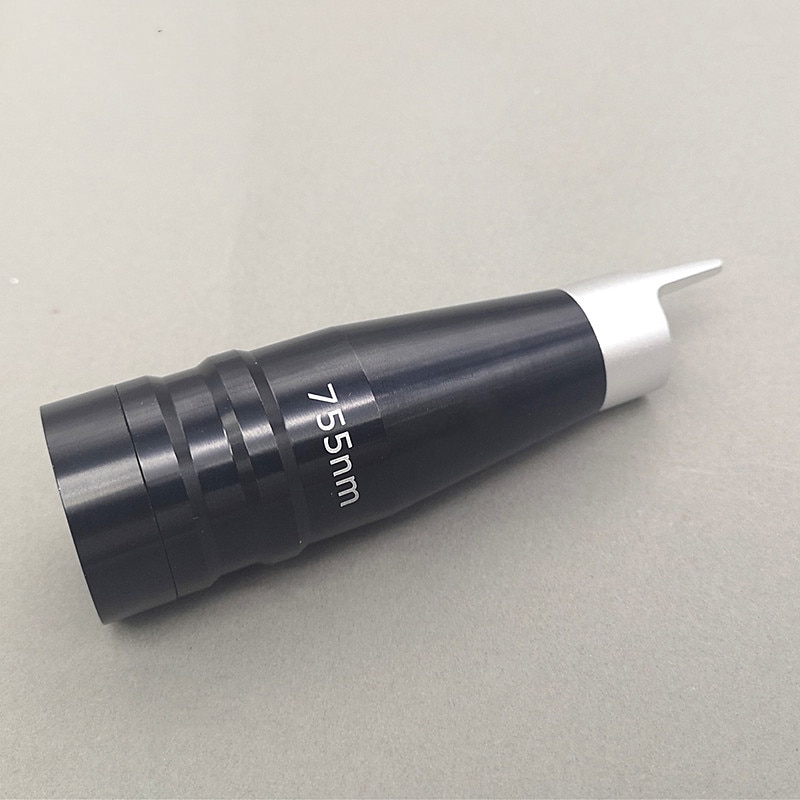
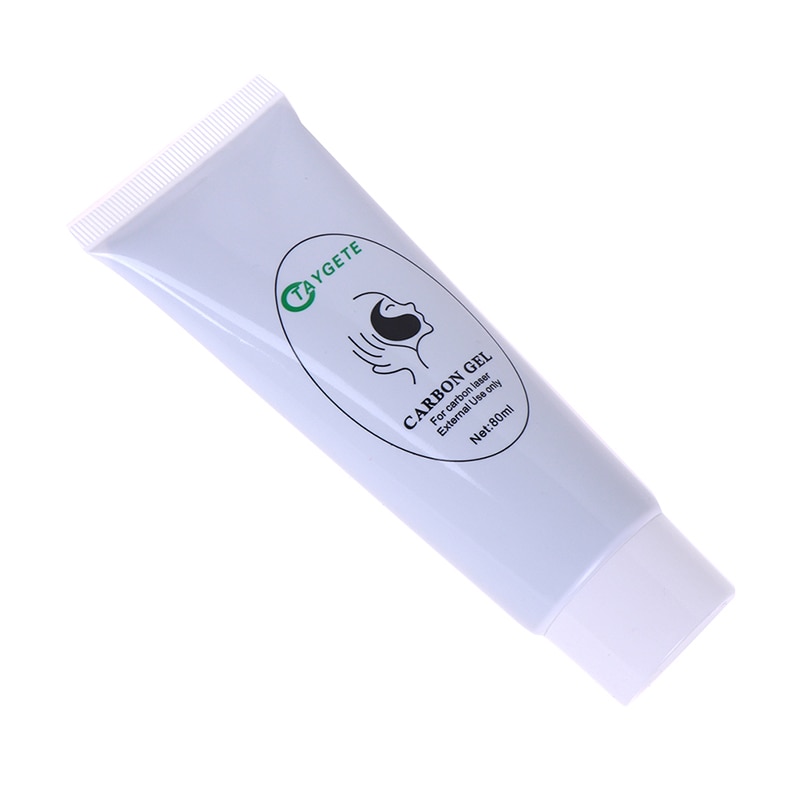
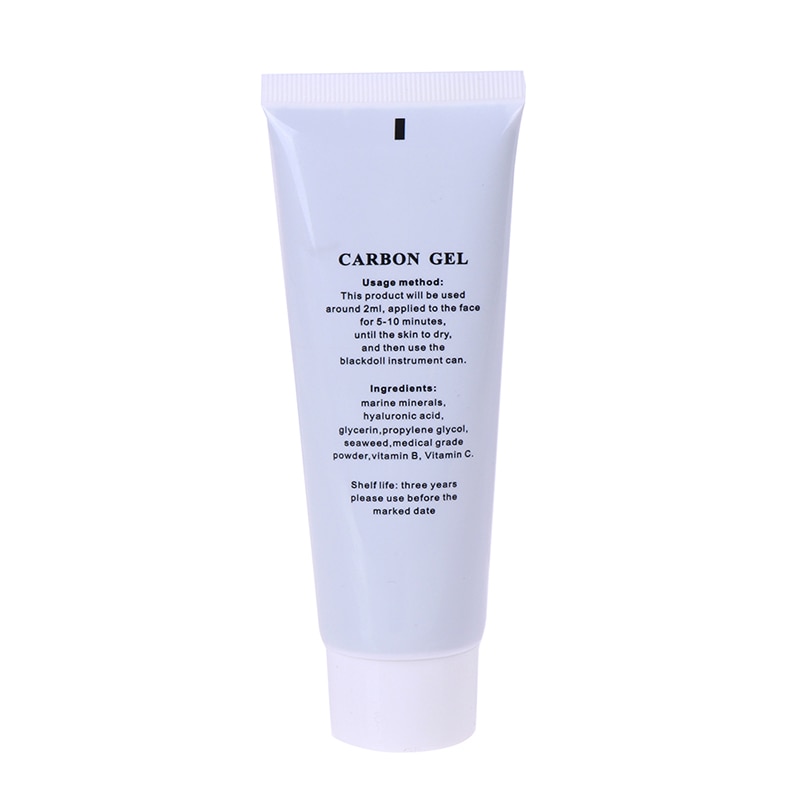
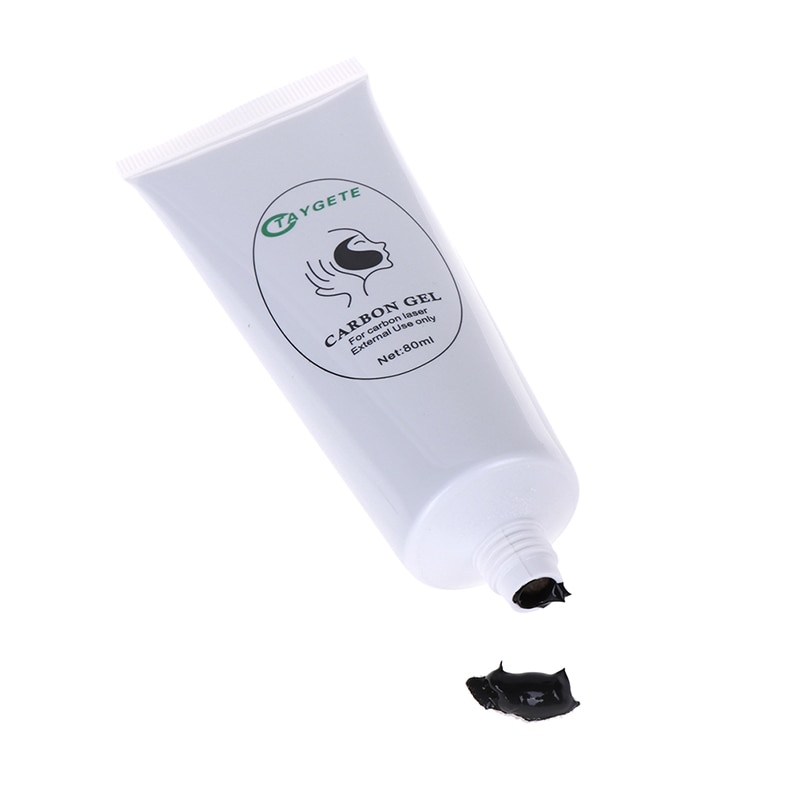
Commonly used Accessories(Click image to purchase)
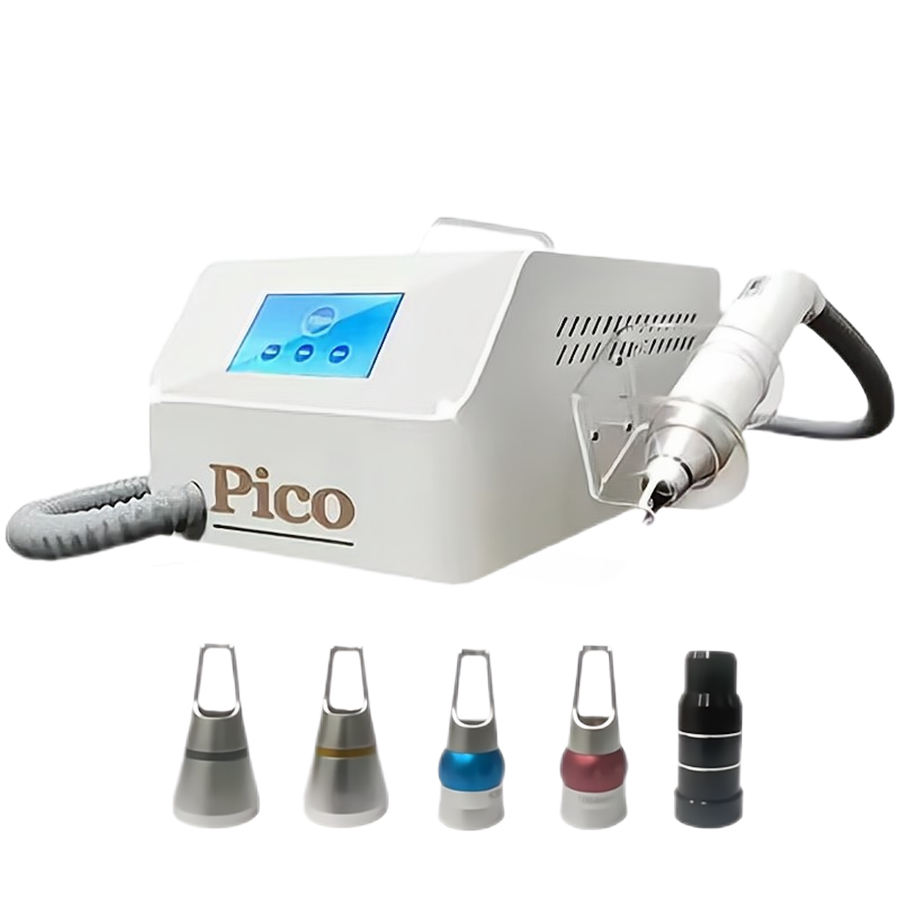
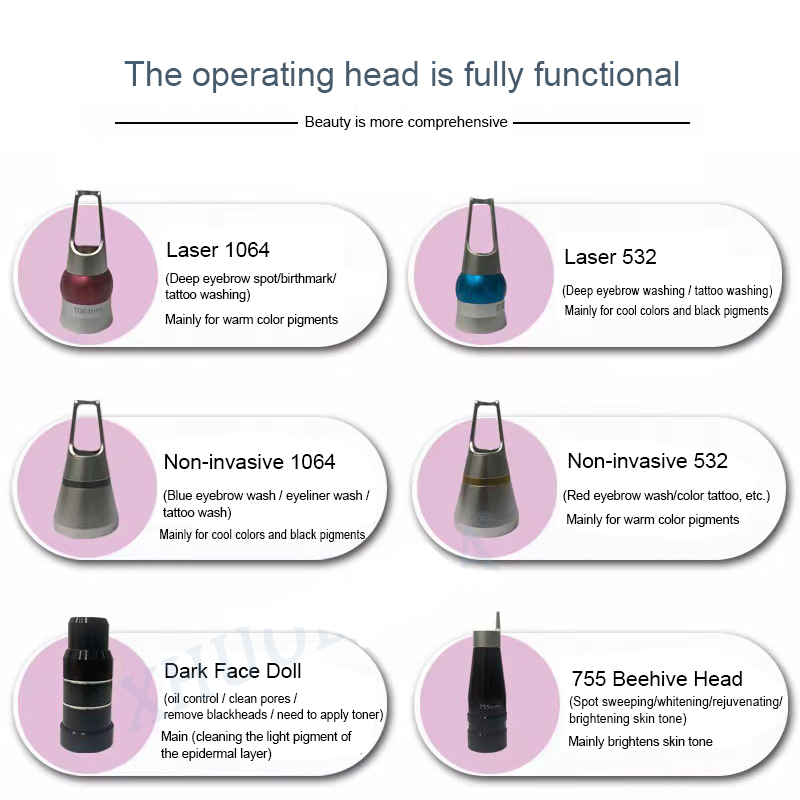
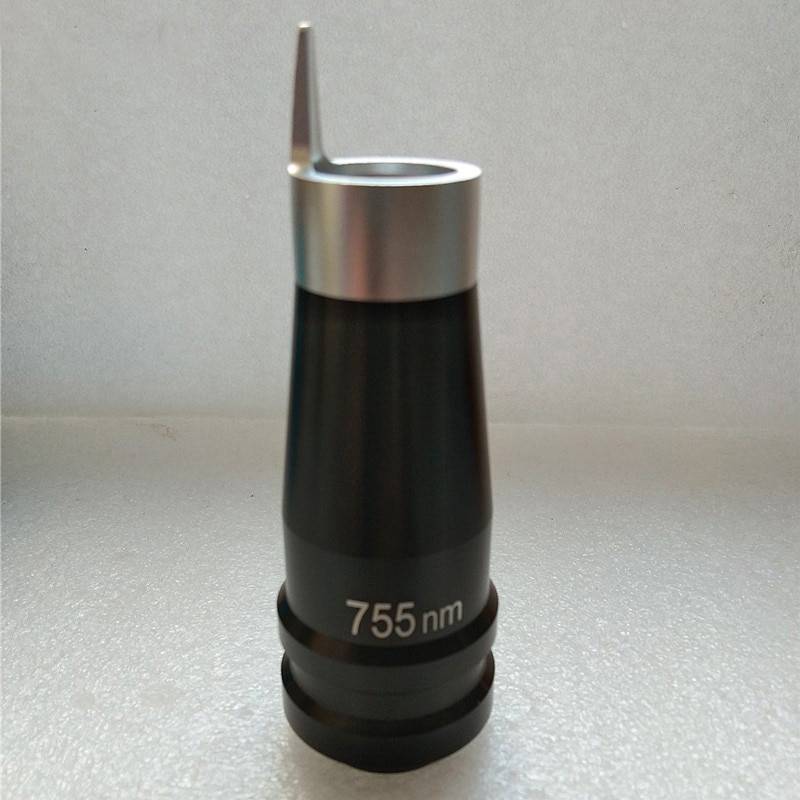
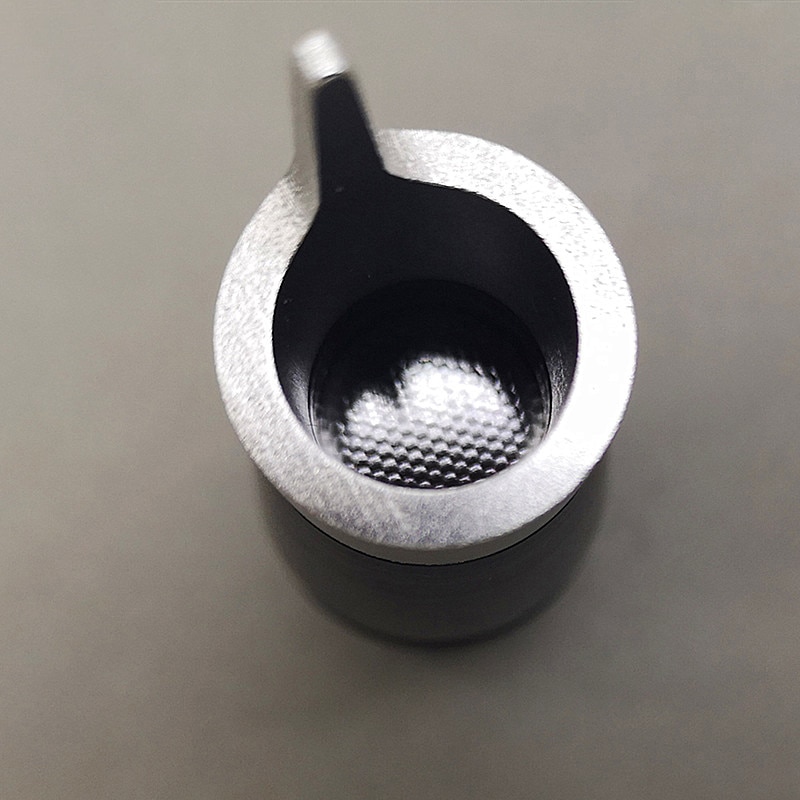
YAG Picosecond Laser 755 Beehive Head
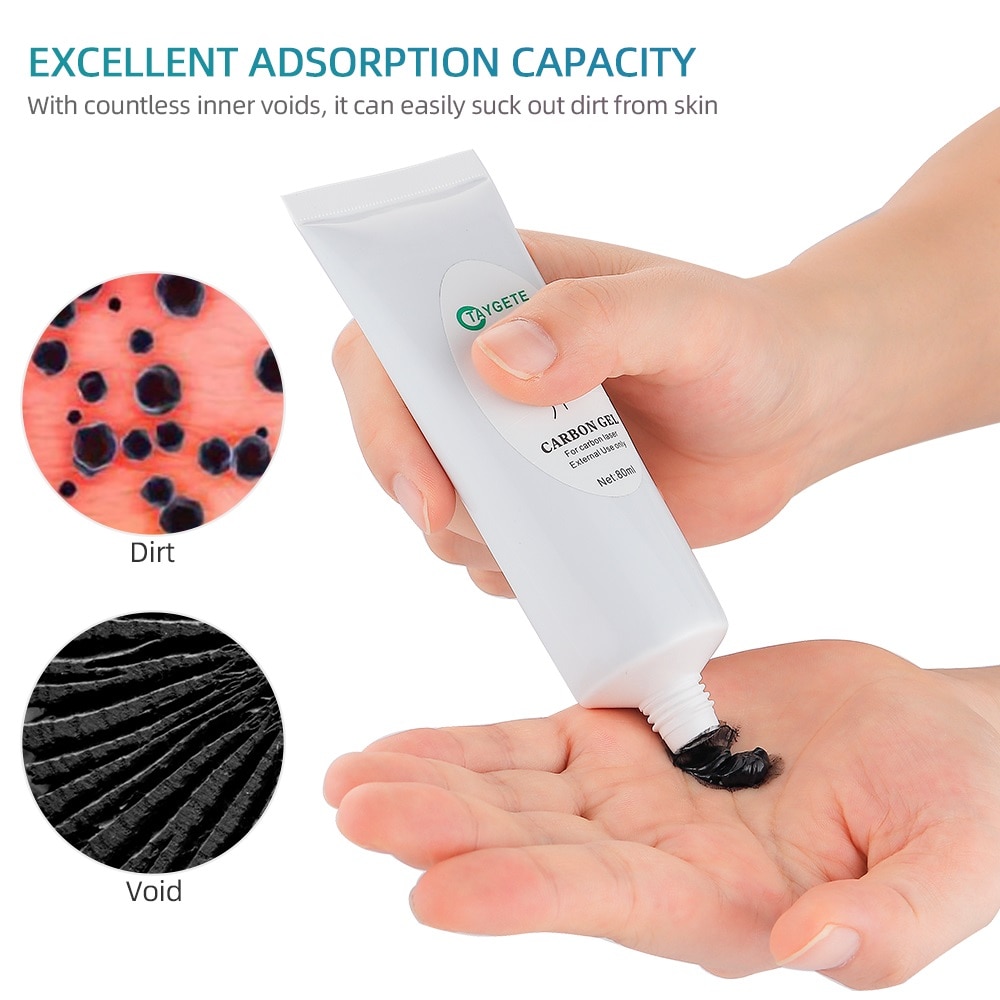
Laser Picosecond 80ML Black Doll Safe Carbon Cream Gel For Laser Skin Rejuvenation Therapy Brighten Skin Tattoo Removal
APPLICATIONS
• Tattoos
• Melasma
• Nevus of Ota
• Lentigo
•Freckles
• Seborrheic
•keratosis
• Skin rejuvenation
•Carbon peel
Advantage:
1. High-Tech—Picosecond laser machine used unique Honeycomb Focused technology to form a skin effect vacuolization,which can protect skin from damage during treatment.
2. Fast Effective—Pico laser machine make tattoo&pigment removal treatment process from 5 to 10 times reduced to 2 to 4 times,greatly reduce the treatment and recovery time,with fast and obvious effect.
3. Comfortable&Safe—It can remove all kinds of pigment and tattoo effectively and safely,because picosecond laser use precise positioning of the target tissue therapy to reduce damage to the skin to achieve the freckle removal effect.
4. No melanin precipitate—The picosecond laser uses ultra-short pulses (one trillionth of a second in length) to hit the melanin with a great pressure,the melanin shatters into tiny dust-like particles,Because the particles are so small,they are more readily absorbed and eliminated by the body.It will significantly reduce postoperative swelling,melanin precipitate phenomenon.
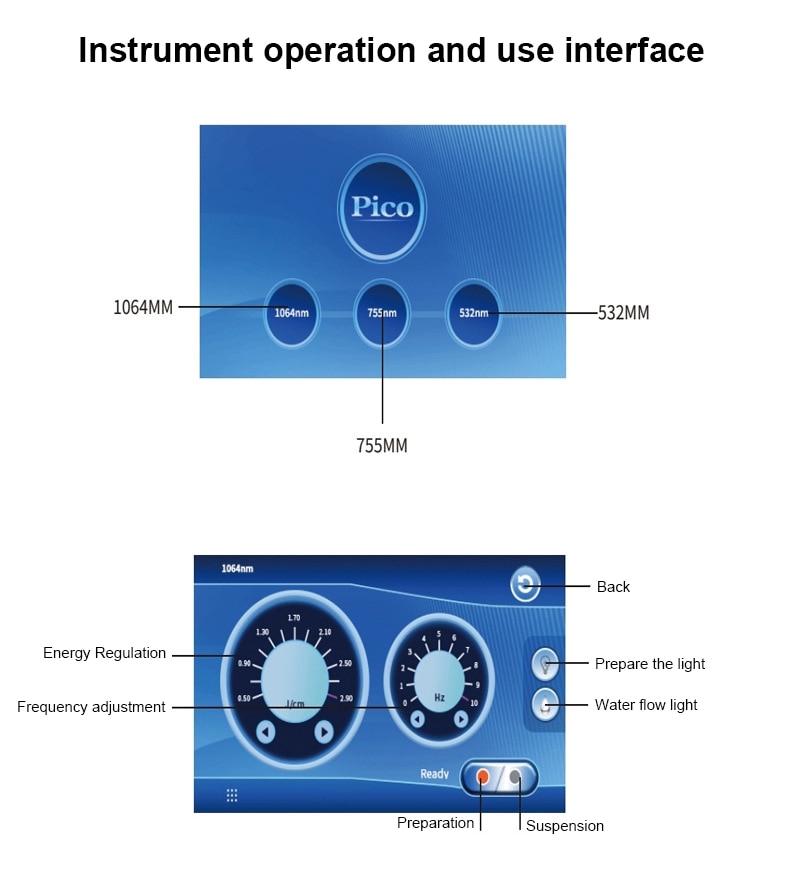
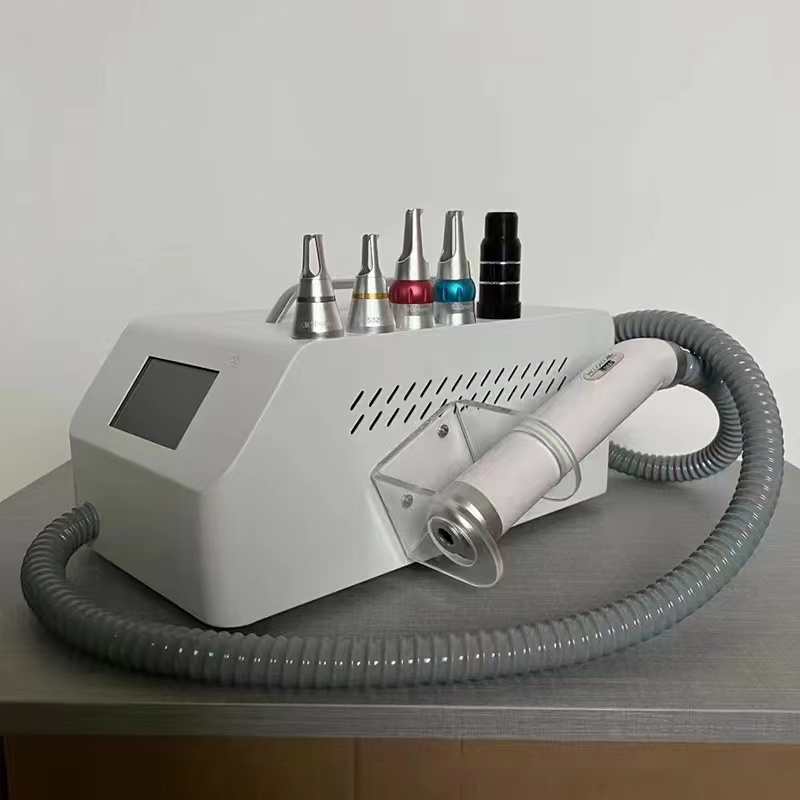
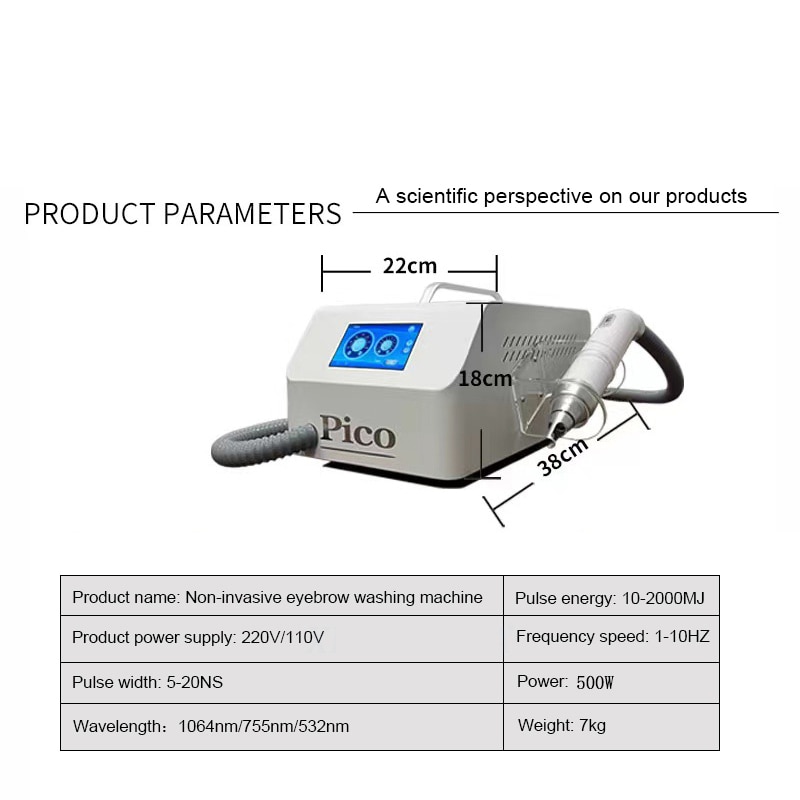
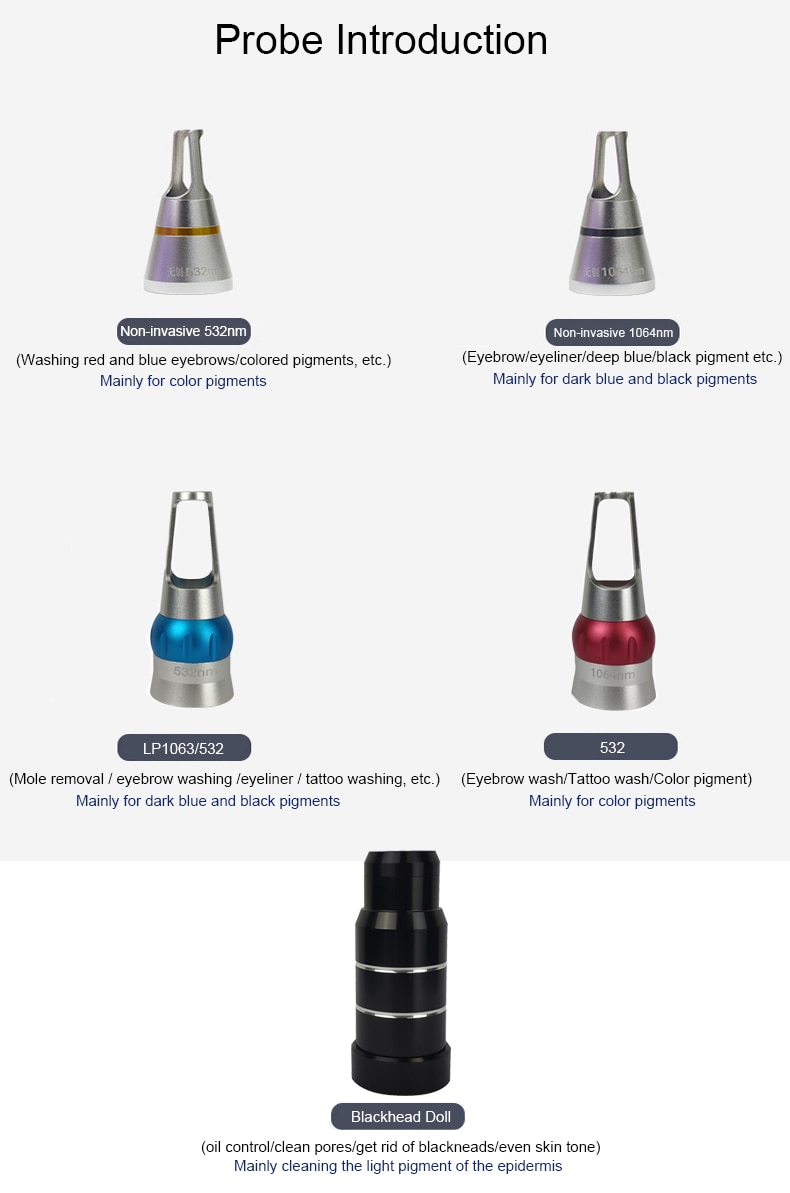
5.Four wavelengths available—1064nm 532nm 755nm and 1320nm.
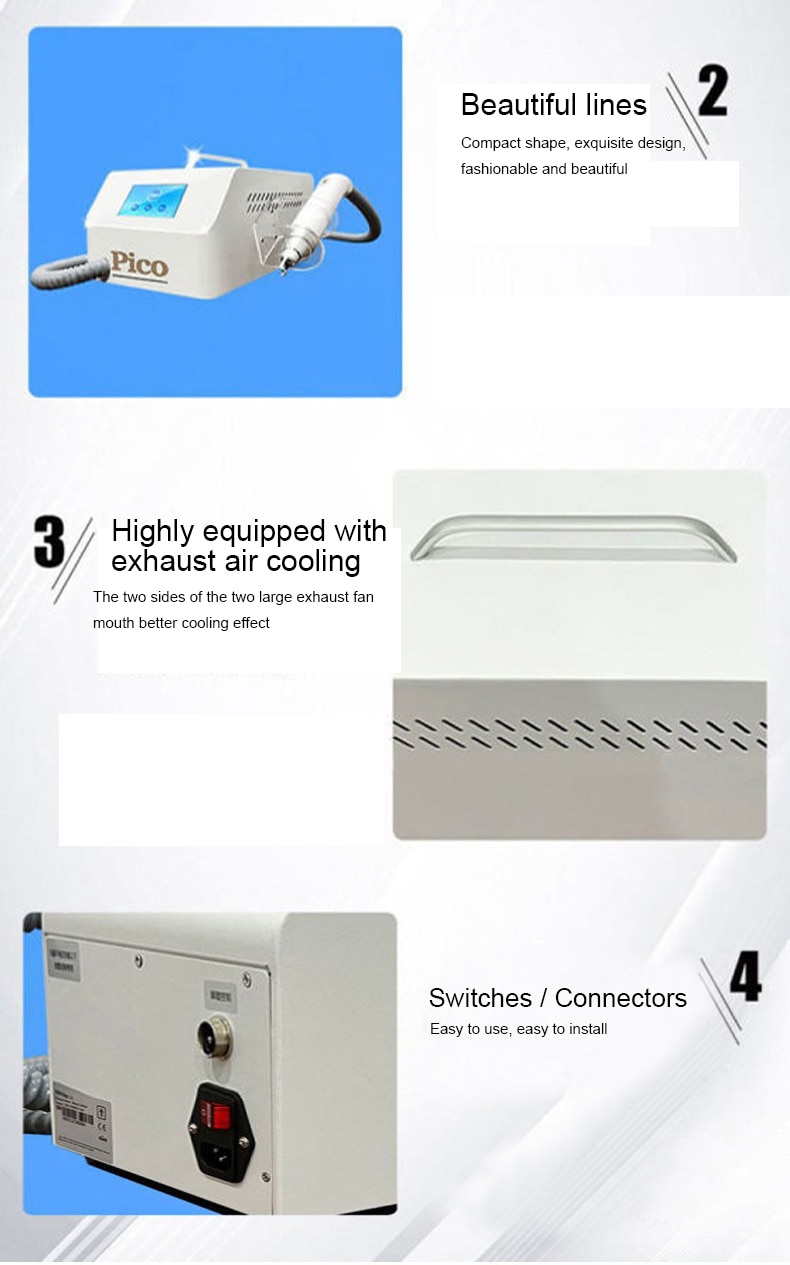
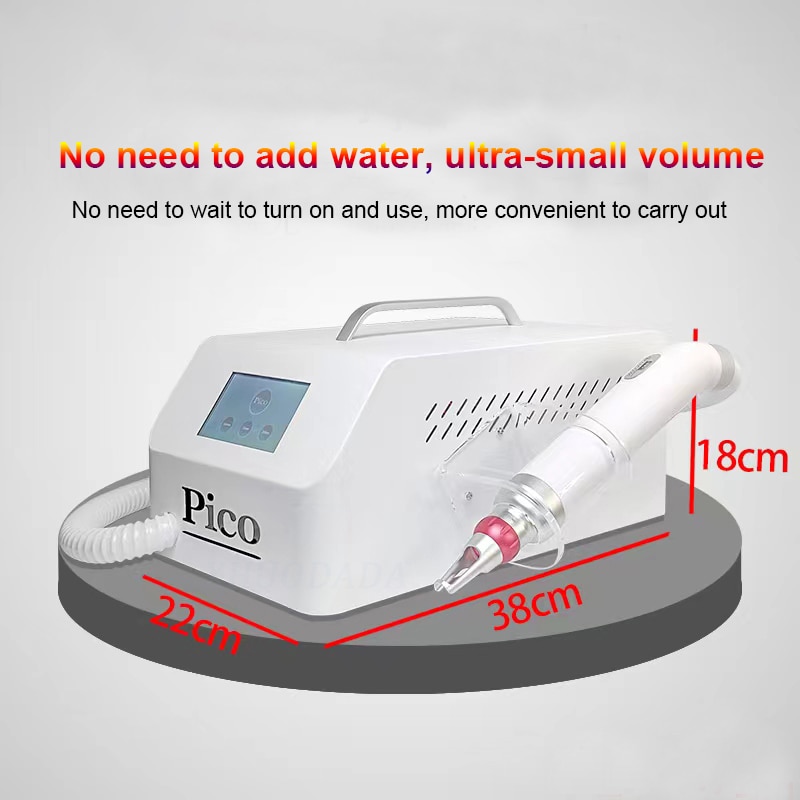
6.Safer working—Waterflow and waterlevel systems keep valuable optic components. always in definite safe condition
6.Safer working—Waterflow and waterlevel systems keep valuable optic components. always in definite safe condition